Get this template
Patient Care & Support
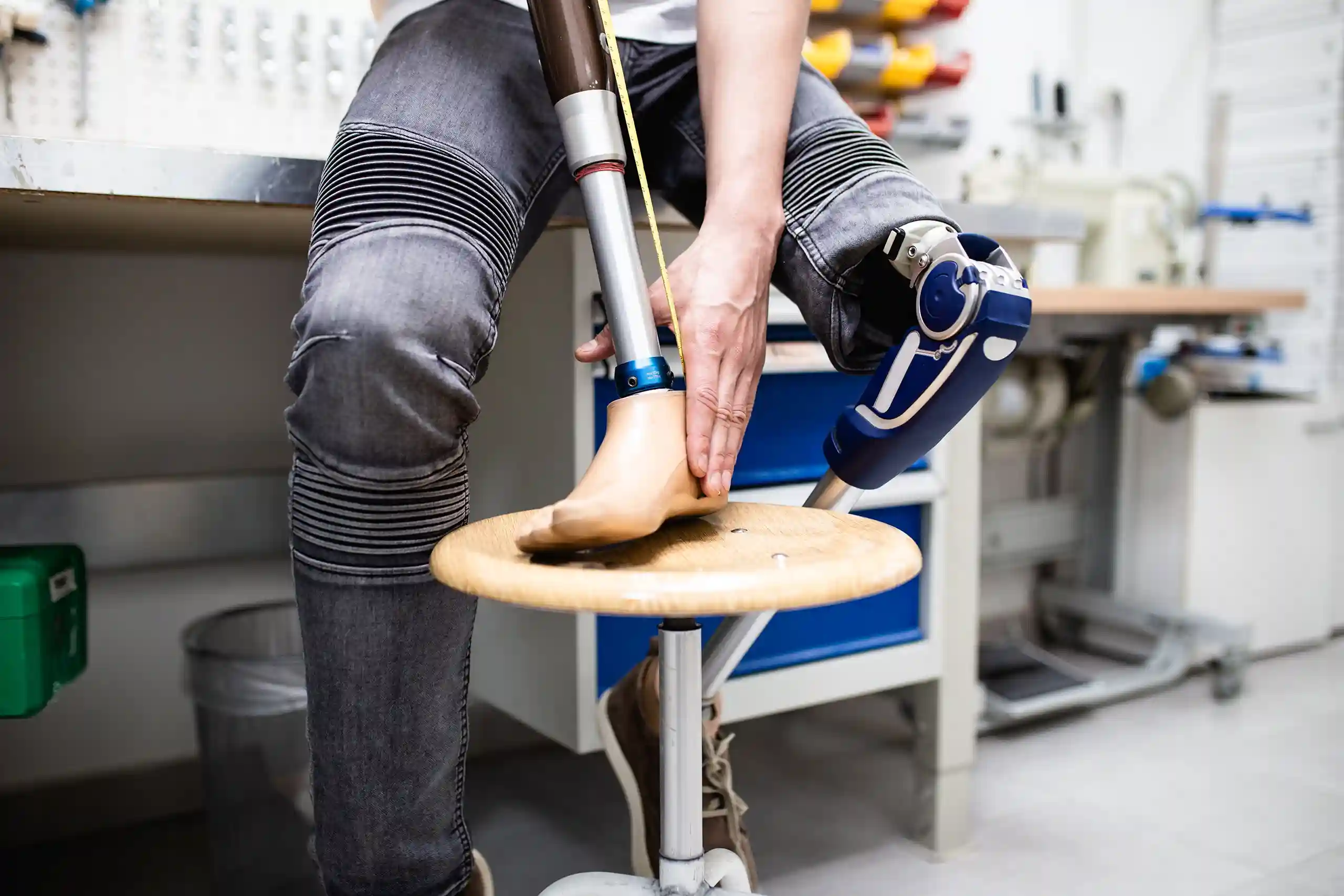
We are committed to developing a wide range of sustainable, innovative and affordable prosthetics solutions, our goal is to meet your ideal outcome every step of the way. Our mission is to create turning points that empower patients worldwide by delivering leading technologies and products across the fields of prosthetics, orthotics and accessible technology to enhance people’s lives.
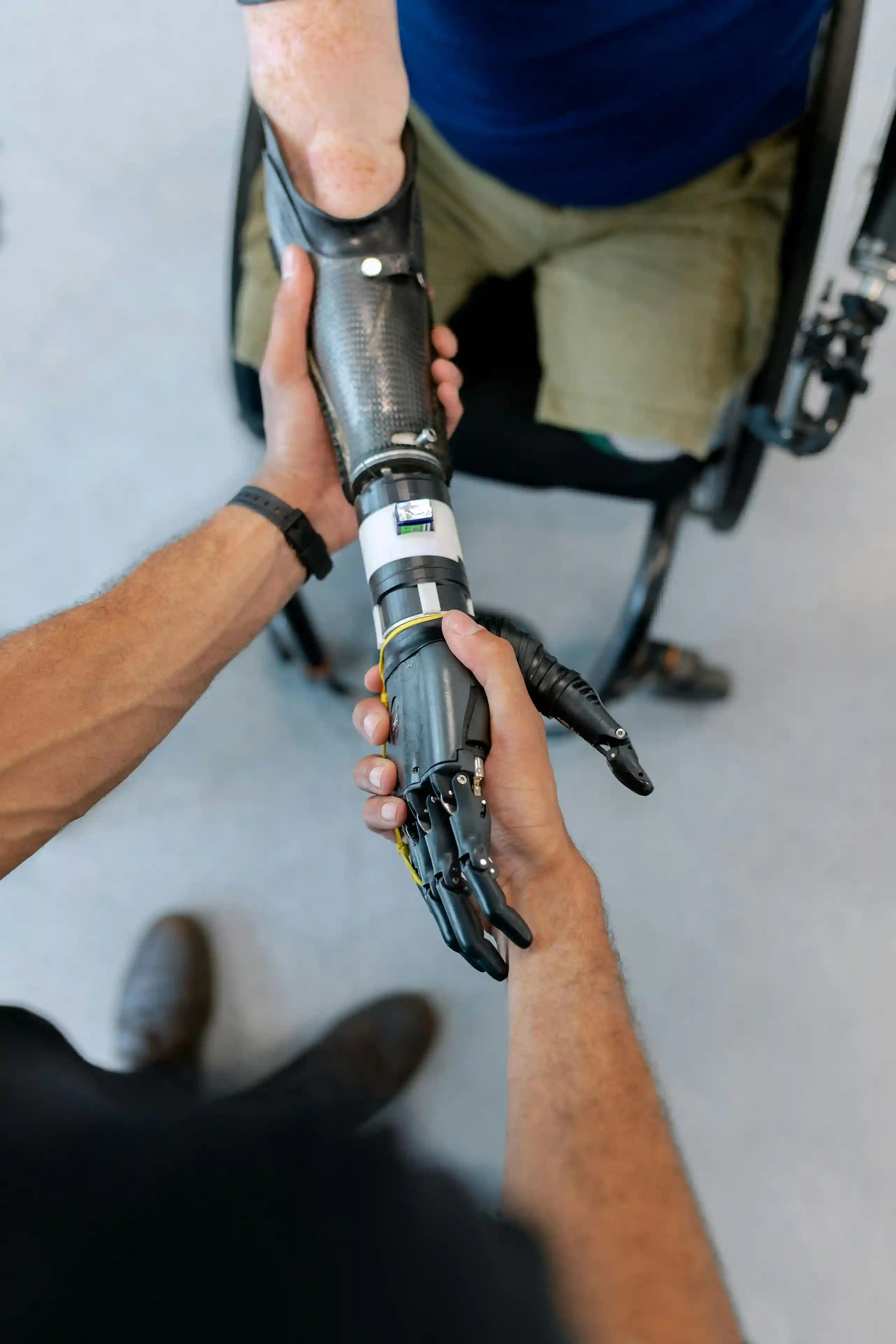
Upper limb prostheses can be categorized in three main categories: Passive devices, Body Powered devices, and Externally Powered (myoelectric) devices. Passive devices can either be passive hands, mainly used for cosmetic purposes, or passive tools, mainly used for specific activities (e.g. leisure or vocational). An extensive overview and classification of passive devices can be found in a literature review by a passive device can be static, meaning the device has no movable parts.
How to choose your Prosthetics provider?
A person's prosthesis should be designed and assembled according to the person's appearance and functional needs. For instance, a person may need a transradial prosthesis, but person needs to choose between an aesthetic functional device, a body powered device, or a specific device. The person's future goals and economical capabilities may help them choose between one or more devices.
Prostheses are manufactured and fit by clinical Prosthetists. Prosthetists are healthcare professionals responsible for making, fitting, and adjusting prostheses and for lower limb prostheses will assess both gait and prosthetic alignment. Once a prosthesis has been fit and adjusted by a Prosthetist, a rehabilitation Physiotherapist will help teach a new prosthetic user to walk with a leg prosthesis.

Lower leg prostheses
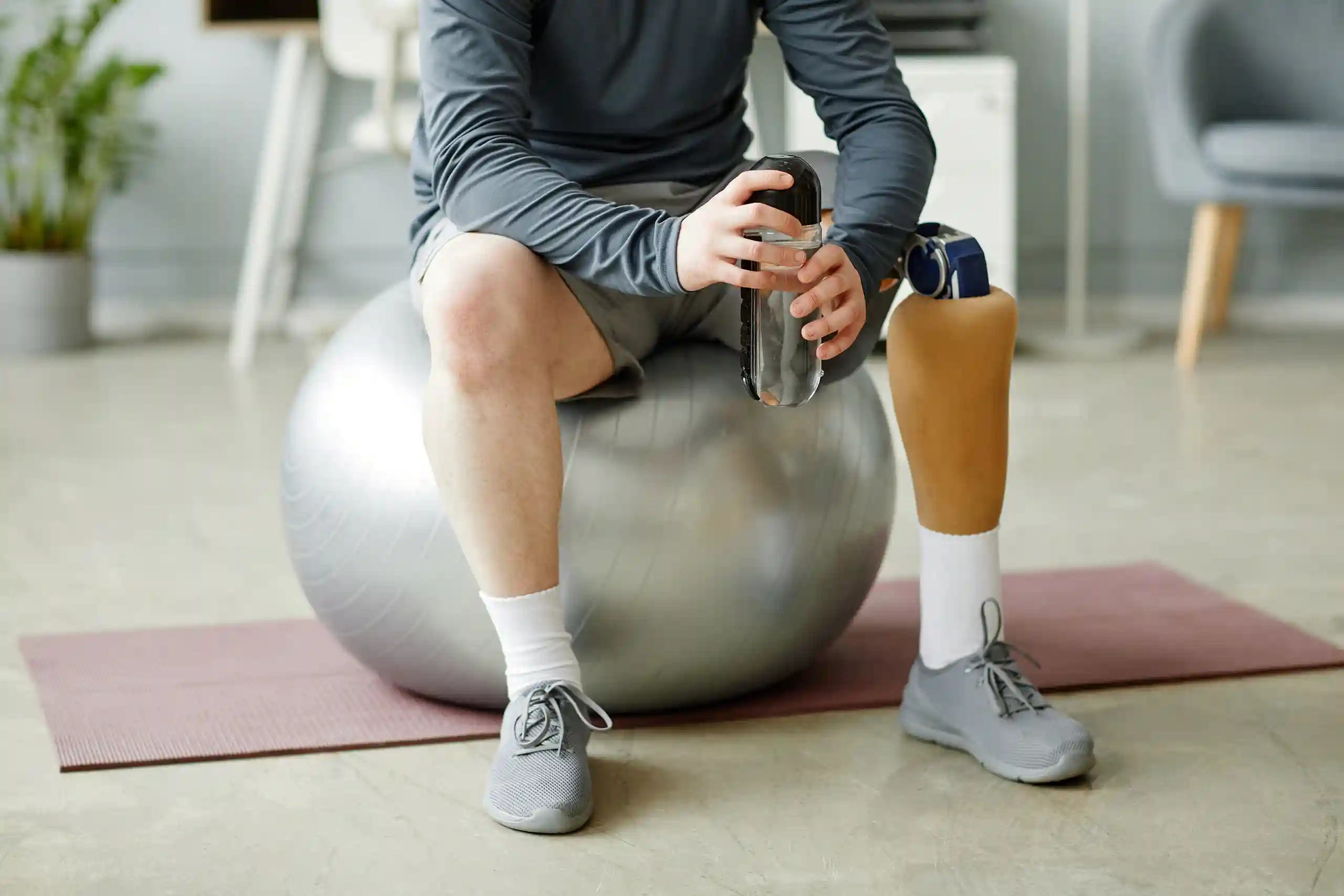
Prostheses are manufactured and fit by clinical Prosthetists. Prosthetists are healthcare professionals responsible for making, fitting, and adjusting prostheses and for lower limb prostheses will assess both gait and prosthetic alignment. Once a prosthesis has been fit and adjusted by a Prosthetist, a rehabilitation Physiotherapist will help teach a new prosthetic user to walk with a leg prosthesis.
There is some research suggesting that such training in the home may be more successful if the treatment includes the use of a treadmill using a treadmill, along with the physical therapy treatment, helps the person to experience many of the challenges of walking with a prosthesis.
Upper limb prostheses
Upper limb prostheses can be categorized in three main categories: Passive devices, Body Powered devices, and Externally Powered (myoelectric) devices. Passive devices can either be passive hands, mainly used for cosmetic purposes, or passive tools, mainly used for specific activities (e.g. leisure or vocational).
An extensive overview and classification of passive devices can be found in a literature review by a passive device can be static, meaning the device has no movable parts.